The Lotus Temple is one of the most famous landmarks in New Delhi, India. Known for its stunning lotus-shaped design, this architectural masterpiece attracts millions of visitors from around the world every year. It is a Bahá’í House of Worship and is open to people of all religions, cultures, and backgrounds.
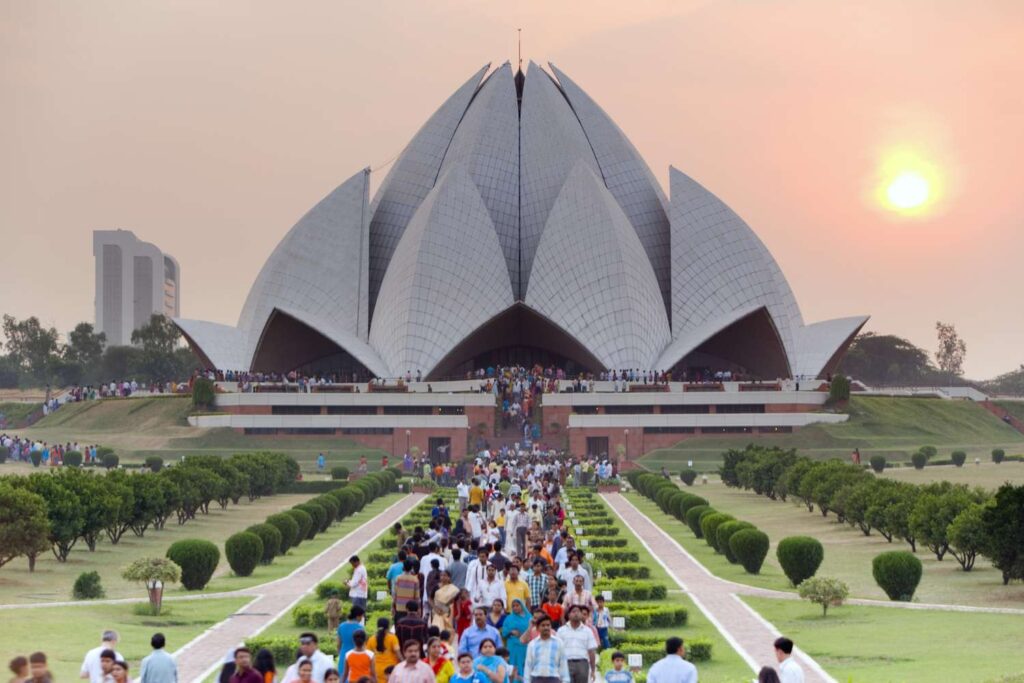
Constructed in 1986, the Lotus Temple was designed by Iranian architect Fariborz Sahba. The structure is made of 27 white marble petals arranged in clusters to form a blooming lotus flower. The unique design symbolizes purity, peace, and unity, making it one of the most photographed buildings in India.
One of the most remarkable features of the Lotus Temple is its serene atmosphere. Unlike many religious sites, there are no idols, rituals, or sermons inside the temple. Visitors are encouraged to sit quietly, meditate, pray, or simply enjoy the peaceful environment. This makes the temple a perfect escape from the hustle and bustle of Delhi city life.
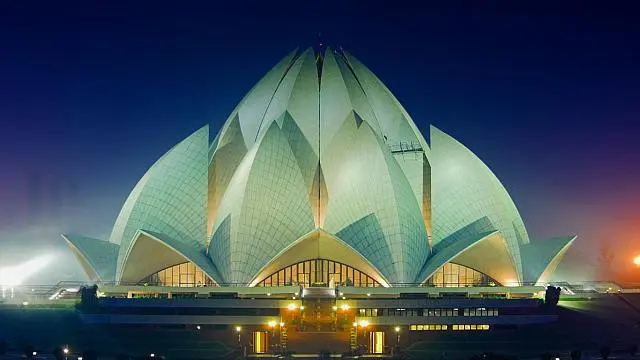
The temple is surrounded by beautiful gardens and nine reflecting pools, which enhance its visual appeal. The combination of lush greenery and elegant architecture creates a tranquil setting that visitors find both relaxing and inspiring.
The Lotus Temple has received numerous architectural awards and is recognized as one of the most visited buildings in the world. It stands as a symbol of unity, promoting the Bahá’í principle that all religions and humanity are fundamentally connected.
Whether you are a tourist, architecture enthusiast, photographer, or spiritual seeker, the Lotus Temple offers a unique and memorable experience. Its breathtaking design, peaceful ambiance, and message of harmony make it a must-visit destination in Delhi.
Location: Kalkaji, New Delhi, India
Best Time to Visit: October to March
Entry Fee: Free
Timings: Tuesday to Sunday (Closed on Mondays)
A visit to the Lotus Temple is not just a sightseeing experience but also an opportunity to experience peace, reflection, and the beauty of human creativity.