
Jama Masjid Delhi – The Magnificent Symbol of Mughal Architecture
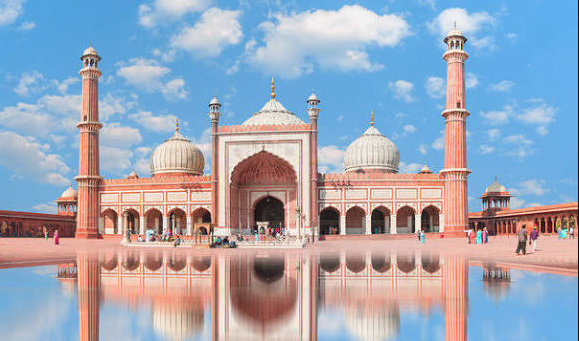
Located in the heart of Old Delhi, Jama Masjid stands as one of India’s most iconic religious and historical monuments. Built by the Mughal Emperor Shah Jahan, the mosque is a masterpiece of Mughal architecture and a symbol of Delhi’s rich cultural heritage. Every year, thousands of tourists, photographers, historians, and devotees visit Jama Masjid Delhi to witness its grandeur and spiritual atmosphere.
Whether you are exploring the bustling lanes of Old Delhi or discovering India’s architectural treasures, Jama Masjid Delhi deserves a place at the top of your travel list.
History of Jama Masjid Delhi
The construction of Jama Masjid began in 1650 and was completed in 1656 during the reign of Mughal Emperor Shah Jahan, the same ruler who commissioned the Taj Mahal and Red Fort. The mosque was originally named Masjid-i-Jahan-Numa, meaning “Mosque Commanding the View of the World.” It was built by approximately 5,000 skilled artisans and workers over six years.
Jama Masjid served as the principal mosque of the Mughal Empire and remains one of the most important Islamic places of worship in India today. Its strategic location opposite the Red Fort highlights its significance in the planning of Shahjahanabad, the historic city now known as Old Delhi.
Architectural Beauty of Jama Masjid
Jama Masjid Delhi is a stunning example of Mughal architecture, combining red sandstone and white marble to create a structure that is both elegant and imposing. The mosque features:
- Three grand gateways
- Two towering minarets rising approximately 40 meters high
- Three magnificent marble domes
- A vast courtyard capable of accommodating around 25,000 worshippers
- Intricate Quranic inscriptions and decorative carvings
The mosque sits on an elevated platform, offering breathtaking views of Old Delhi and its vibrant surroundings. Visitors can climb one of the minarets to enjoy panoramic views of the city, including the nearby Red Fort and Chandni Chowk.
Why Jama Masjid is Famous
Jama Masjid Delhi is famous for several reasons:
1. Historical Importance
As the largest mosque built by Shah Jahan, it represents the religious and cultural power of the Mughal Empire.
2. Architectural Excellence
Its blend of Islamic and Mughal architectural elements makes it one of the finest monuments in India.
3. Spiritual Significance
The mosque remains an active place of worship and hosts thousands of devotees during Friday prayers and Islamic festivals.
4. Cultural Experience
The surrounding area offers visitors a glimpse into the authentic charm of Old Delhi, known for its bustling markets, traditional cuisine, and historic streets.
Jama Masjid Timings and Entry Fee
According to Delhi Tourism, Jama Masjid Delhi is open throughout the week.
Timings
- Indian Tourists: 11:00 AM to Sunset
- Foreign Tourists: 8:00 AM to Sunset
- Prayer timings may restrict tourist access.
Entry Fee
- Entry for Indian visitors: Free
- Photography: Free
- Additional charges may apply for climbing the minaret.
Visitors should dress modestly and remove their shoes before entering the mosque premises.
Nearby Attractions
A visit to Jama Masjid Delhi can be combined with several nearby attractions:
- Red Fort
- Chandni Chowk
- Raj Ghat
- Gurudwara Sis Ganj Sahib
These attractions provide a complete experience of Delhi’s history, culture, and architecture.
Best Time to Visit Jama Masjid
The ideal time to visit Jama Masjid is between October and March when Delhi experiences pleasant weather. Early mornings and evenings offer the best photography opportunities and a more comfortable sightseeing experience.
The mosque becomes especially vibrant during Ramadan and Eid celebrations, attracting visitors from across India and abroad.
Travel Tips for Visitors
- Wear respectful clothing covering shoulders and knees.
- Carry a camera for stunning architectural photographs.
- Visit early to avoid crowds.
- Explore Chandni Chowk’s famous food streets after your visit.
- Use the Delhi Metro and get down at Chawri Bazaar or Jama Masjid station for convenient access.
Conclusion
Jama Masjid Delhi is more than just a mosque; it is a living monument that reflects centuries of history, faith, and architectural brilliance. Its majestic domes, towering minarets, and rich Mughal heritage make it one of the most visited landmarks in India. Whether you are a history enthusiast, a traveler, or a photography lover, Jama Masjid offers an unforgettable experience in the heart of Old Delhi.