Lotus Temple: A Symbol of Peace and Architectural Beauty in Delhi

Lotus Temple Delhi – A Symbol of Peace, Unity, and Architectural Excellence

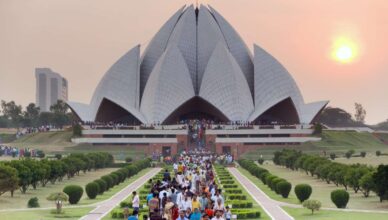
The Lotus Temple Delhi is one of the most famous architectural landmarks in India and a must-visit destination for travelers, architecture enthusiasts, and spiritual seekers. Located in South Delhi, this magnificent structure is known for its unique lotus flower-inspired design and its message of universal harmony. As a Baháʼí House of Worship, the temple welcomes people of all religions, cultures, and backgrounds, making it a true symbol of unity and peace .

Lotus Temple Delhi

History of Lotus Temple

The Lotus Temple was designed by Iranian architect Fariborz Sahba and was opened to the public in December 1986. The temple was built as a Baháʼí House of Worship, representing the principles of the Baháʼí Faith, which promotes the unity of humanity and the harmony of all religions. Since its inauguration, the temple has attracted millions of visitors from across the globe and has become one of Delhi’s most recognizable landmarks Lotus Temple Delhi.

The concept behind the temple was to create a place where people from every faith could gather for prayer, meditation, and reflection without religious barriers. This inclusive philosophy has helped the Lotus Temple become one of the most visited religious structures in the world Lotus Temple Delhi .

Architectural Marvel of Lotus Temple

The most striking feature of the Lotus Temple is its breathtaking architecture. Inspired by the lotus flower, India’s national flower, the structure consists of 27 marble-clad petals arranged in clusters to form nine sides. The temple is built using white marble imported from Greece, giving it a pristine and elegant appearance.

The design follows the Baháʼí tradition of nine-sided houses of worship, symbolizing completeness and unity. The temple rises majestically above beautifully landscaped gardens and nine surrounding pools, creating a serene atmosphere that enhances its spiritual significance. The central prayer hall can accommodate approximately 2,500 visitors at a time, making it one of the largest worship spaces in Delhi.

The lotus shape is not only visually stunning but also deeply symbolic. In Indian culture, the lotus represents purity, spirituality, and enlightenment, making it a perfect architectural choice for a place dedicated to peace and worship Lotus Temple Delhi.

Spiritual Significance

Unlike many traditional temples, the Lotus Temple does not contain idols, altars, or religious symbols. People of all faiths are welcome to enter, meditate, pray, or simply enjoy the peaceful environment. No rituals or ceremonies are performed inside, allowing visitors to connect with spirituality in their own way.

The Baháʼí Faith emphasizes the oneness of God, religion, and humanity. This message is reflected throughout the temple’s design and purpose. Visitors often describe the experience as calming and transformative, offering a rare escape from the fast-paced life of the city.

Why Lotus Temple Is Famous

Several factors contribute to the global popularity of the Lotus Temple Delhi:

1. Unique Architecture

The lotus-shaped design is unlike any other religious structure in the world, making it a masterpiece of modern architecture.

2. Open to All Religions

The temple welcomes everyone regardless of religion, nationality, or background.

3. Peaceful Environment

The serene gardens, reflecting pools, and silent prayer hall create an atmosphere of tranquility.

4. International Recognition

The Lotus Temple has received numerous architectural awards and has been featured in global publications for its innovative design and spiritual significance.

Visitor Information

The Lotus Temple is located in the Kalkaji area of New Delhi and is easily accessible by road and metro. The nearest metro station is Kalkaji Mandir, making it convenient for tourists and local visitors alike.

Best Time to Visit

The ideal time to visit the Lotus Temple Delhi is during the winter months from October to March when Delhi’s weather is pleasant. Early mornings and evenings offer the best experience, allowing visitors to enjoy the peaceful surroundings and capture stunning photographs.

Visitor Tips

  • Maintain silence inside the prayer hall.
  • Dress modestly and respectfully.
  • Photography is generally restricted inside the main prayer hall.
  • Visit during weekdays to avoid large crowds.
  • Spend time exploring the beautiful gardens surrounding the temple.

Conclusion

The Lotus Temple Delhi is much more than a tourist attraction; it is a symbol of unity, peace, and architectural brilliance. Its stunning lotus-inspired design, welcoming atmosphere, and spiritual message make it one of the most remarkable landmarks in India. Whether you are interested in architecture, spirituality, or simply exploring Delhi’s famous attractions, a visit to the Lotus Temple is an unforgettable experience that leaves a lasting impression on every visitor.