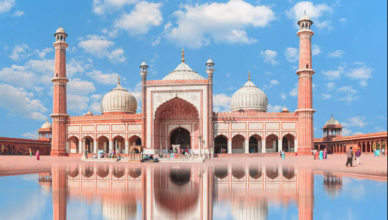
Jama Masjid Delhi – History, Achitecture, Timings & Visitor Guide June 16, 2026shahilsikandar2007@gmail.com Comment Jama Masjid Delhi – The Magnificent Symbol of Mughal Architecture Located in the heart of Old Delhi, Jama Masjid stands as one of [...]
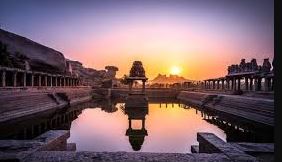
Hampi A Timeless Journey Through the Ruins of the Vijayanagara Empire June 12, 2026June 12, 2026shahilsikandar2007@gmail.com Comment Hampi (Karnataka): A Timeless Journey Through the Ruins of the Vijayanagara Empire Hampi Karnataka is one of India’s most fascinating historical destinations. Located [...]
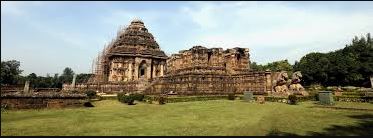
Konark Sun Temple: A Timeless Architectural Marvel of India June 12, 2026June 12, 2026shahilsikandar2007@gmail.com Comment Konark Sun Temple: A Timeless Architectural Marvel of India The Konark Sun Temple is one of India’s most remarkable historical monuments and a [...]
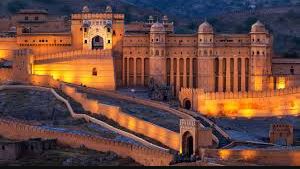
Discover the Magnificent Amer Fort Jaipur: Rajasthan’s Timeless Royal Treasure June 12, 2026June 12, 2026shahilsikandar2007@gmail.com Comment Amer Fort – The Majestic Jewel of Jaipur Tourism Amer Fort, also known as Amber Fort, is one of the most iconic tourist [...]
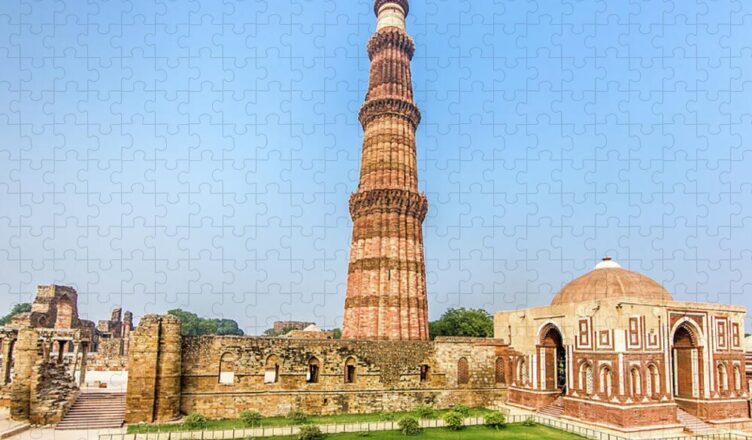
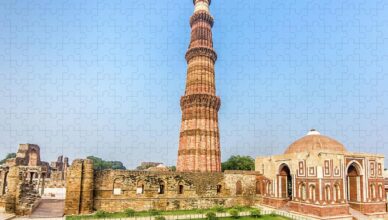
Qutub Minar: Delhi’s Iconic UNESCO World Heritage Monument June 6, 2026June 11, 2026shahilsikandar2007@gmail.com Comment Qutub Minar: The Pride of Delhi’s Rich Heritage Qutub Minar is one of the most famous historical monuments in India and a must-visit [...]
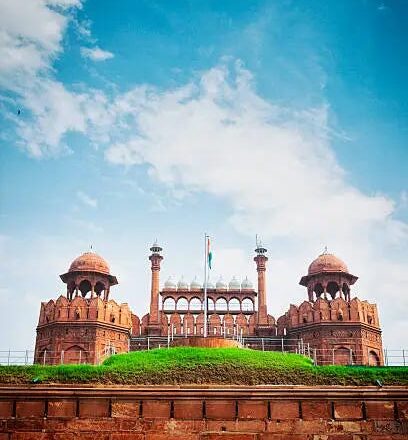
Red Fort in Delhi – A Complete Guide to India’s Historic Landmark June 6, 2026June 12, 2026shahilsikandar2007@gmail.com Comment Red Fort in Delhi – A Symbol of India’s Rich Heritage The Red Fort in Delhi, also known as Lal Qila, is one [...]
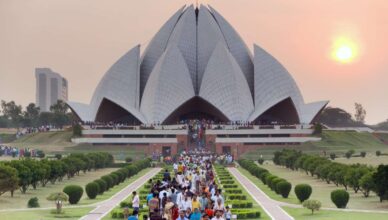
Lotus Temple – A Symbol of Peace and Unity in Delhi June 6, 2026June 11, 2026shahilsikandar2007@gmail.com Comment Lotus Temple Delhi – A Complete Travel Guide The Lotus Temple Delhi is one of the most visited tourist attractions in India. Known [...]
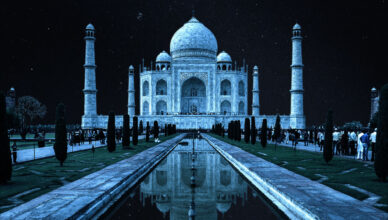
Taj Mahal: The Timeless Symbol of Love in India June 6, 2026June 12, 2026shahilsikandar2007@gmail.com Comment Taj Mahal: The Crown Jewel of India The Taj Mahal is one of the most iconic monuments in the world and a must-visit [...]
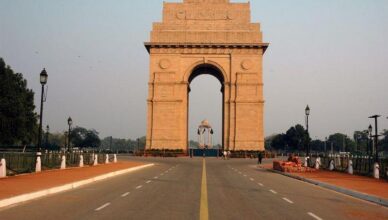
India Gate: The Iconic War Memorial of New Delhi June 6, 2026June 25, 2026shahilsikandar2007@gmail.com Comment The History of India Gate India Gate is one of the most recognizable landmarks in India and a symbol of national pride. Located [...]