India Gate: The Iconic War Memorial of New Delhi

1 2 752x440

The History of India Gate

India Gate is one of the most recognizable landmarks in India and a symbol of national pride. Located in the heart of New Delhi, this magnificent monument attracts millions of visitors every year. Known for its impressive architecture and historical importance, India Gate stands as a tribute to the bravery and sacrifice of thousands of soldiers. Whether you are a history enthusiast, a traveler, or someone interested in India’s rich cultural heritage, India Gate is a destination that deserves a place on your itinerary.

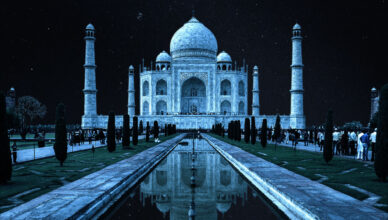
India Gate war memorial illuminated at night in New Delhi, India

The story of India Gate dates back to the early 20th century. The monument was built to honor the soldiers of the British Indian Army who lost their lives during World War I and the Third Anglo-Afghan War. More than 70,000 Indian soldiers sacrificed their lives in these conflicts, and India Gate was constructed as a memorial to commemorate their service and bravery.

The foundation stone of India Gate was laid in 1921 by the Duke of Connaught. The monument was designed by Sir Edwin Lutyens, one of the most renowned architects of his time. After several years of construction, India Gate was officially completed in 1931.

The names of over 13,000 soldiers are inscribed on the walls of the monument, serving as a permanent reminder of their courage and dedication. Following India’s independence, the monument gained even greater significance as a symbol of national unity and remembrance.

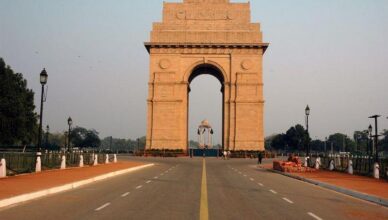
Front view of India Gate monument surrounded by visitors in New Delhi

Architectural Excellence

India Gate is an outstanding example of classical architecture blended with elegant design principles. Standing approximately 42 meters high, the structure is made primarily of sandstone and granite. Its grand arch resembles famous triumphal arches found in Europe, particularly the Arc de Triomphe in Paris.

The monument’s simple yet powerful design reflects dignity and respect. The broad archway, detailed carvings, and inscriptions contribute to its majestic appearance. The word “INDIA” is prominently engraved on both sides of the arch, making it instantly recognizable.

Surrounding India Gate are beautifully maintained lawns, fountains, and walking paths that enhance the overall experience for visitors. During the evening, the monument is illuminated with decorative lights, creating a breathtaking view against the night sky.

Amar Jawan Jyoti and National Importance

One of the most significant additions to India Gate is the Amar Jawan Jyoti. Established in 1972 after the Indo-Pakistani War of 1971, this eternal flame honors the unknown soldiers who sacrificed their lives while serving the nation.

The memorial consists of a black marble pedestal with a rifle placed upright and topped by a soldier’s helmet. The eternal flame symbolizes the nation’s gratitude toward its brave soldiers. For decades, it served as a central location for paying tribute to military personnel during national ceremonies and important events.

India Gate continues to represent courage, sacrifice, and patriotism, making it one of the most respected monuments in the country.

A Popular Tourist Attraction

India Gate is among the most visited tourist attractions in New Delhi. Visitors from across India and around the world come to admire its beauty and learn about its historical significance.

Families often gather on the surrounding lawns for picnics and evening outings. Street vendors offer snacks, ice cream, and local delicacies, creating a lively atmosphere. The open spaces and scenic surroundings make India Gate an ideal destination for relaxation and sightseeing.

Photography enthusiasts also appreciate the monument for its architectural beauty and picturesque setting. Sunrise and sunset provide particularly stunning opportunities to capture memorable images.

Best Time to Visit India Gate

The best time to visit India Gate is during the cooler months from October to March. During this period, Delhi experiences pleasant weather, making outdoor exploration more comfortable.

Evenings are especially popular because the monument is beautifully illuminated, and the surrounding area becomes vibrant with visitors. Winter mornings also offer a peaceful atmosphere for those seeking a quieter experience.

While India Gate can be visited throughout the year, summer temperatures in Delhi can be extremely high, making daytime visits less comfortable.

Nearby Attractions

A visit to India Gate can easily be combined with other notable attractions in New Delhi. Some nearby places worth exploring include:

  • National War Memorial
  • Rashtrapati Bhavan
  • Parliament House
  • Kartavya Path

These landmarks provide deeper insights into India’s political, military, and cultural heritage.

Cultural and National Significance

India Gate is more than just a tourist destination; it is a symbol of India’s respect for those who served the nation. It represents sacrifice, unity, and remembrance. National ceremonies, commemorative events, and public gatherings frequently take place in the vicinity, highlighting the monument’s enduring importance.

The site serves as a reminder of the courage displayed by generations of soldiers and inspires visitors to appreciate the values of service and dedication.

Conclusion

India Gate remains one of India’s most treasured landmarks. Its rich history, remarkable architecture, and deep national significance make it a must-visit destination in New Delhi. From honoring fallen soldiers to welcoming millions of visitors each year, the monument continues to hold a special place in the hearts of Indians and travelers alike.

Whether you are exploring Delhi for the first time or revisiting its historic attractions, India Gate offers a meaningful and memorable experience. Standing proudly in the capital city, it continues to symbolize courage, sacrifice, and the enduring spirit of the nation.

Leave a Reply

Your email address will not be published. Required fields are marked *