Lotus Temple – A Symbol of Peace and Unity in Delhi

GettyImages 185733537 5b51446046e0fb00378bc660 2 752x440

Lotus Temple Delhi – A Complete Travel Guide

The Lotus Temple Delhi is one of the most visited tourist attractions in India. Known for its stunning lotus-shaped architecture and peaceful atmosphere, this iconic monument attracts millions of visitors every year. Located in South Delhi, the Lotus Temple is a symbol of unity, peace, and harmony among people of all religions and cultures.

Built in the shape of a blooming lotus flower, the temple is not only a place of worship but also an architectural masterpiece that showcases modern design and engineering excellence.

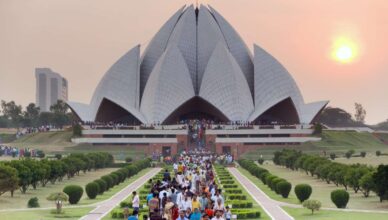
Lotus Temple Delhi front view during daytime

History of Lotus Temple Delhi

The Lotus Temple was completed in 1986 and serves as a Baháʼí House of Worship. It was designed by Iranian architect Fariborz Sahba and has become one of the most recognizable landmarks in India.

The Baba Faith promotes the idea of the unity of humanity and welcomes people from all religious backgrounds. Unlike many religious sites, the Lotus Temple is open to everyone regardless of religion, nationality, or beliefs.

Since its inauguration, the temple has received numerous architectural awards and has become one of the most visited buildings in the world.

Unique Architecture of the Lotus Temple

The most striking feature of the Lotus Temple is its flower-like design. The structure consists of 27 marble petals arranged in clusters to form a beautiful lotus flower. These petals are made from white marble sourced from Greece.

The temple stands amidst lush green gardens and nine surrounding pools that enhance its beauty. The pools also help cool the building naturally during Delhi’s hot summers.

Architectural Highlights:

  • Lotus-shaped structure with 27 marble petals
  • Nine entrances leading to the central hall
  • Seating capacity of around 2,500 people
  • Surrounded by beautiful gardens and water pools
  • Eco-friendly cooling system

Lotus Temple architecture and marble petals

Why Visit Lotus Temple Delhi?

A visit to the Lotus Temple offers a unique experience that combines spirituality, architecture, and tranquility. Visitors can sit silently inside the prayer hall and enjoy a peaceful environment away from the busy city life.

Unlike traditional temples, there are no idols, rituals, or religious ceremonies. The focus is on prayer, meditation, and reflection.

Top Reasons to Visit:

  1. Experience world-famous architecture.
  2. Enjoy a peaceful and serene atmosphere.
  3. Learn about the baba Faith.
  4. Capture stunning photographs.
  5. Visit one of Delhi’s top tourist attractions.

Lotus Temple Timings and Entry Fee

Before planning your visit, it is important to know the temple timings.

Timings:

  • Summer: 9:00 AM to 7:00 PM
  • Winter: 9:00 AM to 5:30 PM
  • Closed on Mondays

Entry Fee:

Free Entry

Visitors are advised to arrive early to avoid crowds, especially during weekends and holidays.

Best Time to Visit Lotus Temple

The ideal time to visit the Lotus Temple is between October and March, when Delhi experiences pleasant weather. During this period, visitors can comfortably explore the gardens and surrounding attractions.

Early mornings and late afternoons are perfect for photography because of the soft natural lighting.

Lotus Temple Delhi surrounded by gardens

How to Reach Lotus Temple Delhi

The Lotus Temple is easily accessible from all parts of Delhi.

By Metro

The nearest metro station is Kalkaji Mandir Metro Station, located within walking distance of the temple.

By Bus

Several Delhi Transport Corporation (DTC) buses connect the area with major parts of the city.

By Taxi or Cab

Visitors can book taxis or app-based cab services for a convenient journey.

Nearby Attractions

While visiting the Lotus Temple, travelers can also explore several nearby attractions.

1. ISKCON Temple

A famous Hindu temple dedicated to Lord Krishna.

2. Humayun’s Tomb

A UNESCO World Heritage Site showcasing Mughal architecture.

3. India Gate

One of Delhi’s most iconic monuments.

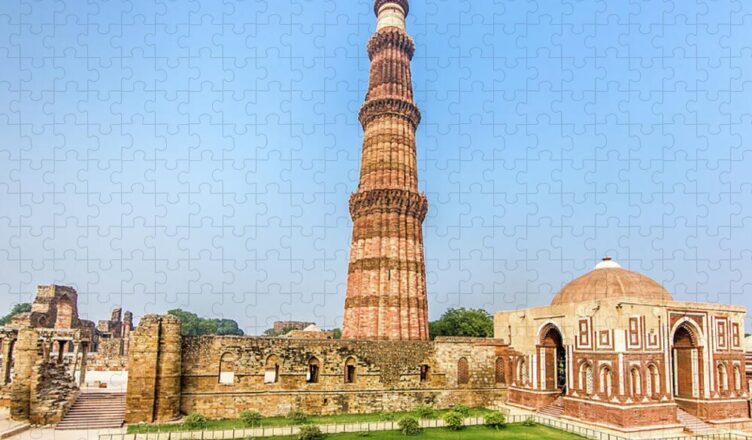
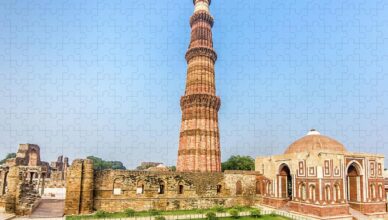
4. Qutub Minar

The tallest brick minaret in the world and a UNESCO World Heritage Site.

Travel Tips for Visitors

  • Maintain silence inside the prayer hall.
  • Dress modestly and respectfully.
  • Carry water during summer months.
  • Visit during weekdays for a less crowded experience.
  • Follow all guidelines issued by temple authorities.

Conclusion

The Lotus Temple Delhi is much more than an architectural wonder. It represents peace, unity, and the spirit of togetherness. Whether you are a traveler, architecture enthusiast, photographer, or spiritual seeker, the Lotus Temple offers a memorable experience that leaves a lasting impression.

Its breathtaking lotus-shaped design, tranquil surroundings, and welcoming atmosphere make it one of the must-visit attractions in Delhi. If you are planning a trip to India’s capital, be sure to add the Lotus Temple to your travel itinerary.

Leave a Reply

Your email address will not be published. Required fields are marked *